
Blog
Automotive Suspension System Explained 🚗
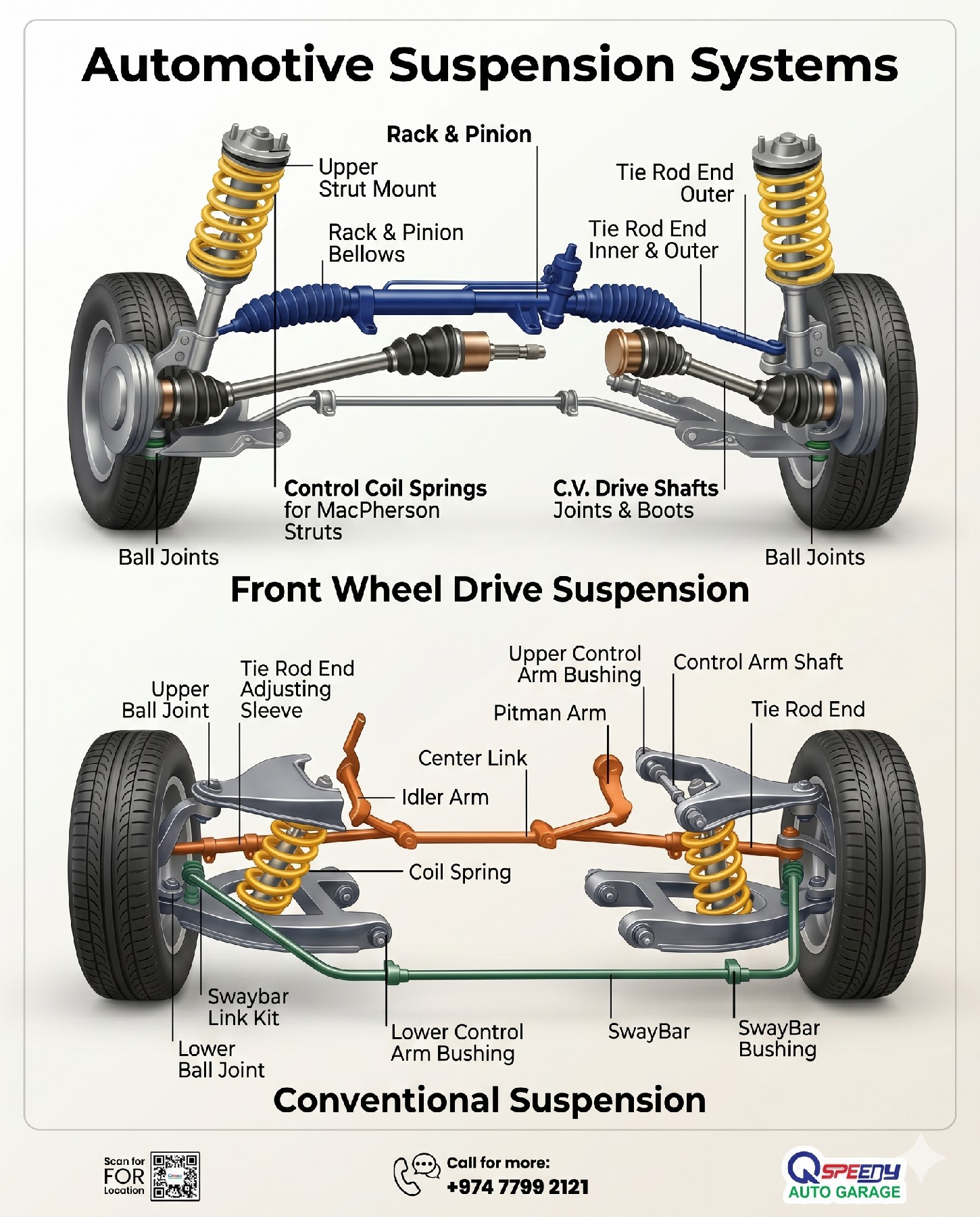
⚙️ The Front Wheel Drive (FWD) Suspension
The top diagram shows a highly efficient, space-saving design common in most modern compact and mid-size daily drivers.
Rack & Pinion Steering (Blue): This is the modern standard for steering systems. When you turn your steering wheel, the central rack moves laterally left or right. This pulls or pushes the Tie Rods, which pivot the wheels. The Bellows (accordion-like rubber boots) protect the inner gears from dirt and road grime.
MacPherson Struts (Yellow/Top): Notice how the shock absorber and the Control Coil Spring are combined into one vertical unit. This MacPherson strut design is brilliant because it acts as both a suspension spring and the upper steering pivot, saving crucial space in the engine bay for FWD vehicles.
C.V. Products & Drive Shafts (Center/Metallic): Because this is a front-wheel-drive vehicle, the front wheels have to steer and propel the car forward. The Constant Velocity (C.V.) Joints allow the drive shaft to smoothly transmit power from the engine to the wheels, even as they turn corners and bounce up and down over potholes.
Lower Ball Joints: These act like the ball-and-socket joints in your hips, allowing the wheel hub to pivot smoothly for steering while moving up and down with the suspension.
🚙 The Conventional Suspension
The bottom diagram illustrates a heavier-duty setup (often called a Short Long Arms or Double Wishbone suspension), commonly found on rear-wheel-drive vehicles, classic cars, and trucks.
Upper & Lower Control Arms (Blue): Instead of a single vertical strut, this system uses two heavy-duty metal arms that hinge from the vehicle's frame. This setup provides excellent tire grip and handling because it keeps the wheel perfectly flat against the road as it moves over bumps.
Parallelogram Steering Linkage (Orange): Instead of a rack and pinion, this uses a heavier, more complex linkage system. The Pitman Arm drops down from the steering box and moves the Center Link side-to-side. The Idler Arm sits on the passenger side to support the linkage and keep everything perfectly parallel.
Independent Coil Springs (Yellow): In this conventional setup, the coil springs are entirely separate from the shock absorbers. They sit snugly housed between the lower control arm and the frame to absorb the weight of the vehicle.
The Swaybar System (Green): Also known as an anti-roll bar, this thick metal bar connects the left and right sides of the lower suspension. When you take a sharp corner, the sway bar twists to transfer weight, keeping the car flat and preventing it from leaning too far to one side.
Understanding the mechanics of your vehicle is the first step to feeling more empowered on the road! 🛣️✨
#fblifestyle #CarKnowledge #AutoMechanics #SuspensionSystems #CarCare #DailyDriver See less
Recent Posts
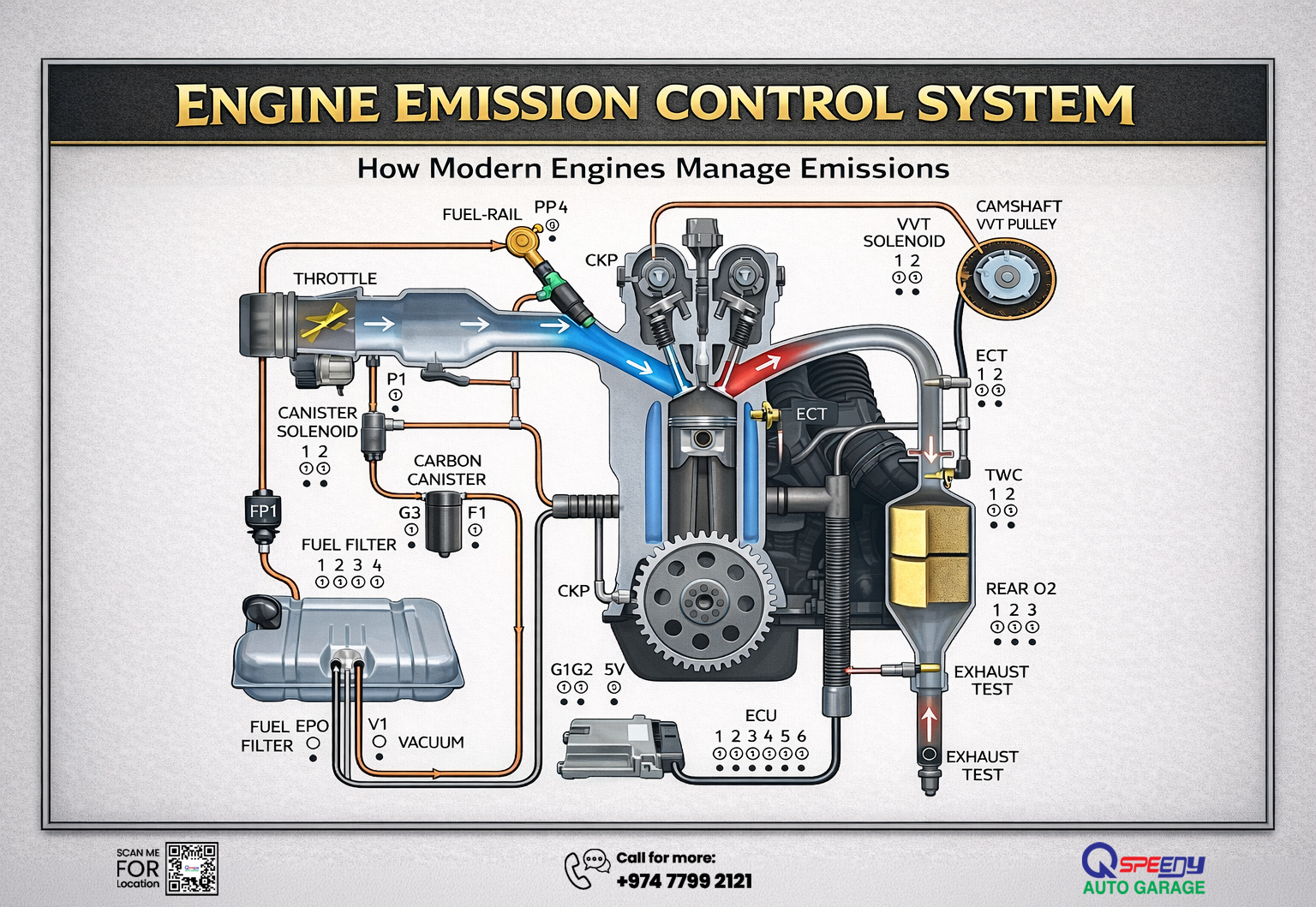
This diagram explains how a car engine controls and reduces harmful emissions. It shows the flow of air, fuel, and exhaust gases, along with key components like sensors, catalytic converter, and ECU working together to improve engine performance and protect the environment.
Read more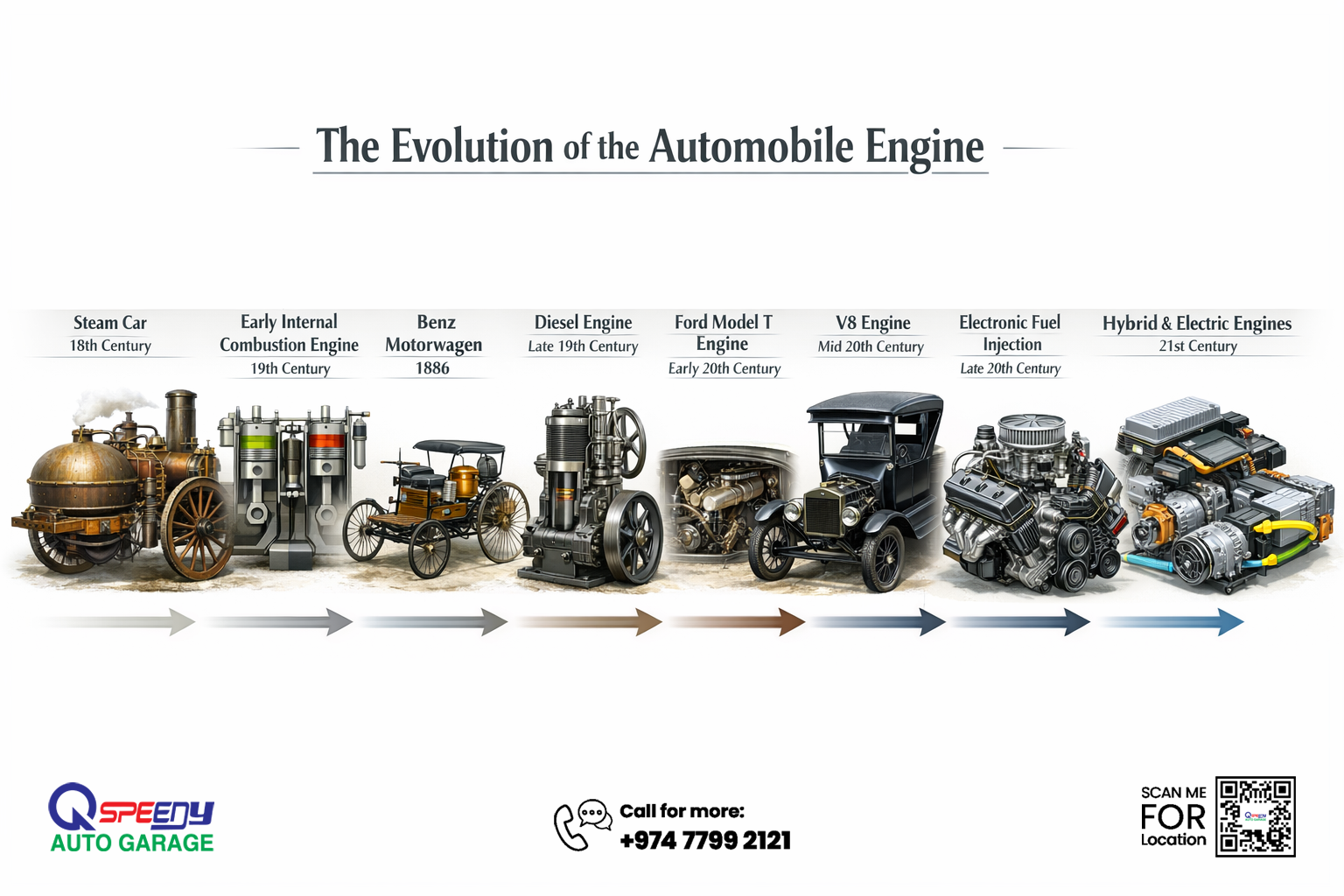
The history of the automobile engine is a story of innovation, experimentation, and constant improvement. From early steam-powered machines to today’s high-efficiency hybrid and electric systems, engine development has shaped the modern world.
Read more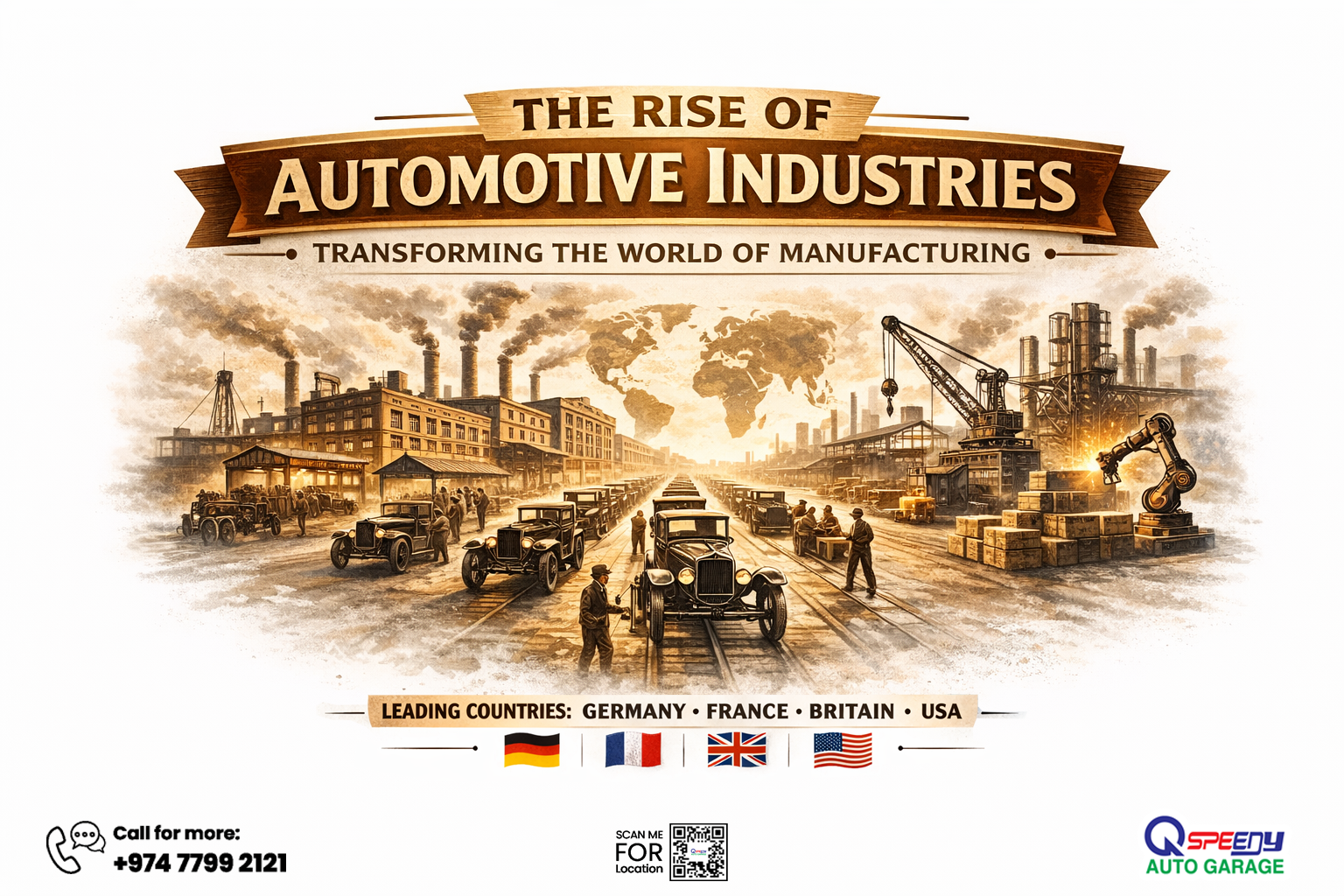
The early 20th century marked a defining era in the historical evolution of the automobile — the rise of the global automotive industry. What began as small-scale mechanical experimentation soon transformed into one of the world’s most powerful manufacturing sectors. As demand for motor vehicles increased, nations recognized the automobile not only as a transportation tool but also as an economic driver.
Read more
The history of the automobile reached a turning point with the revolutionary vision of Henry Ford, an American industrialist who transformed cars from luxury inventions into everyday necessities. Before Ford’s innovation, automobiles were handcrafted, expensive, and accessible only to the wealthy. Production was slow, and each vehicle required extensive manual labor by skilled workers.
Read more
The period between 1900 and 1930 changed the automobile industry forever. During this time, mass production made cars affordable and accessible to ordinary people, not just the wealthy.
Read more