
Blog
How Car Engine Emission Control System Works
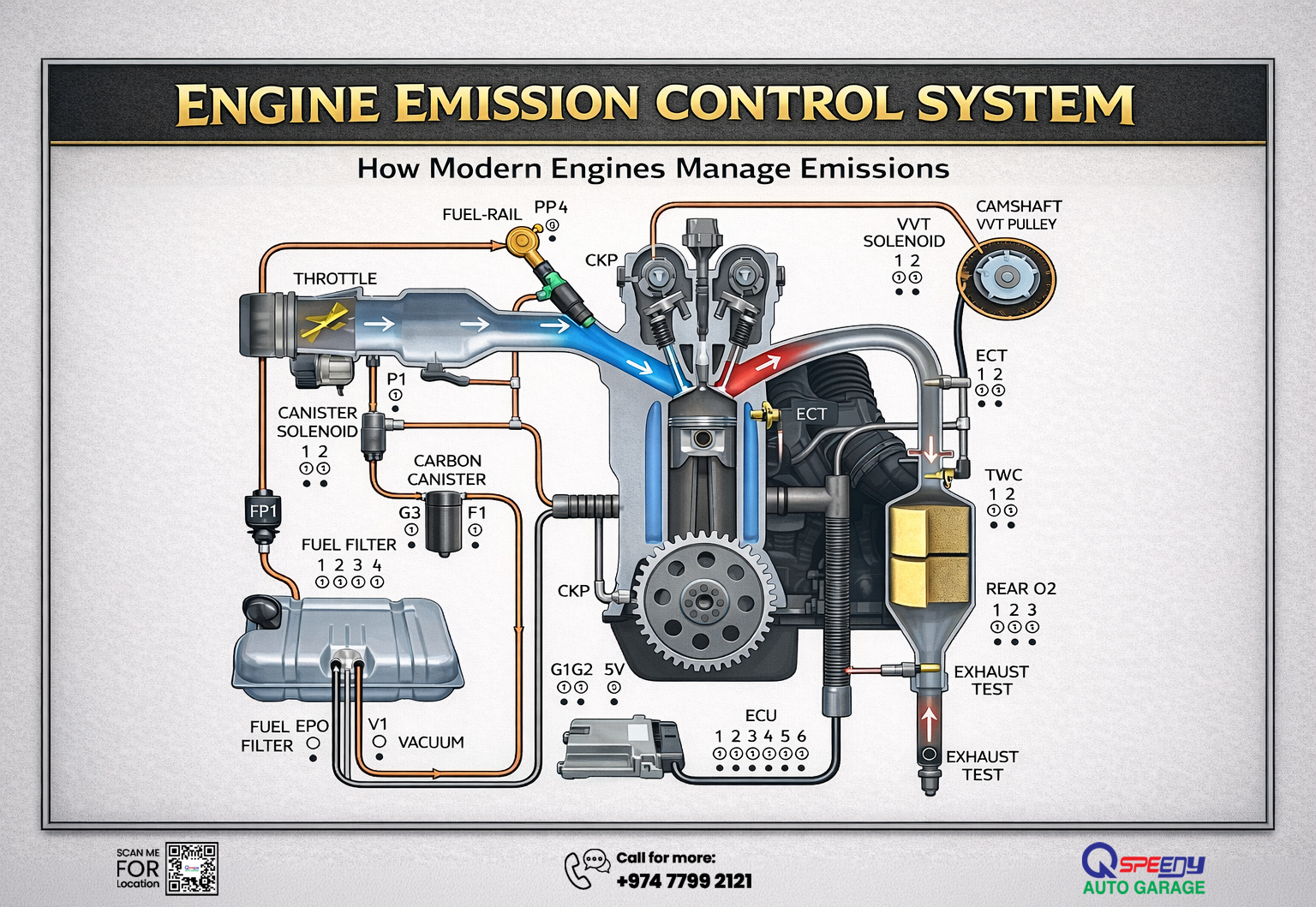
The engine emission control system is a critical part of modern vehicles, designed to reduce harmful pollutants and ensure the engine runs efficiently while meeting environmental standards. This system works by carefully controlling the air-fuel mixture, combustion process, and exhaust gases before they are released into the atmosphere. Key components such as the throttle body regulate incoming air, while fuel injectors deliver precise amounts of fuel for optimal combustion. Sensors like the crankshaft position sensor (CKP), engine coolant temperature sensor (ECT), and oxygen (O2) sensors continuously monitor engine conditions and send real-time data to the Engine Control Unit (ECU).
The ECU acts as the brain of the system, analyzing sensor inputs and adjusting parameters such as fuel injection timing, ignition timing, and variable valve timing (VVT) to ensure clean and efficient combustion. The carbon canister and canister solenoid play an important role in controlling fuel vapors, preventing them from escaping into the atmosphere by redirecting them back into the engine for burning. This not only reduces emissions but also improves fuel efficiency.
As exhaust gases leave the engine, they pass through the catalytic converter (TWC), where harmful gases like carbon monoxide (CO), hydrocarbons (HC), and nitrogen oxides (NOx) are converted into less harmful substances such as carbon dioxide (CO2) and water vapor. The rear oxygen sensor monitors the efficiency of this conversion process, ensuring that the system is functioning properly. Additionally, components like fuel filters and vacuum lines support the overall system by maintaining proper fuel flow and pressure balance.
A well-maintained emission control system not only protects the environment but also enhances engine performance, fuel economy, and longevity. Regular inspection of sensors, filters, and exhaust components is essential to prevent issues such as increased emissions, poor fuel efficiency, and engine warning lights. Understanding how these components work together helps drivers and technicians diagnose problems early and keep the vehicle running smoothly and responsibly.
#EngineEmission #EmissionControl #CarMechanics #AutoEngineering
#EngineSystem #AutomotiveTech #CarMaintenance #AutoEducation
#MechanicalLearning #GarageLife #CarDiagnostics #EngineKnowledge
#ECUSystem #VehicleTechnology #LearnAutomotive
Recent Posts
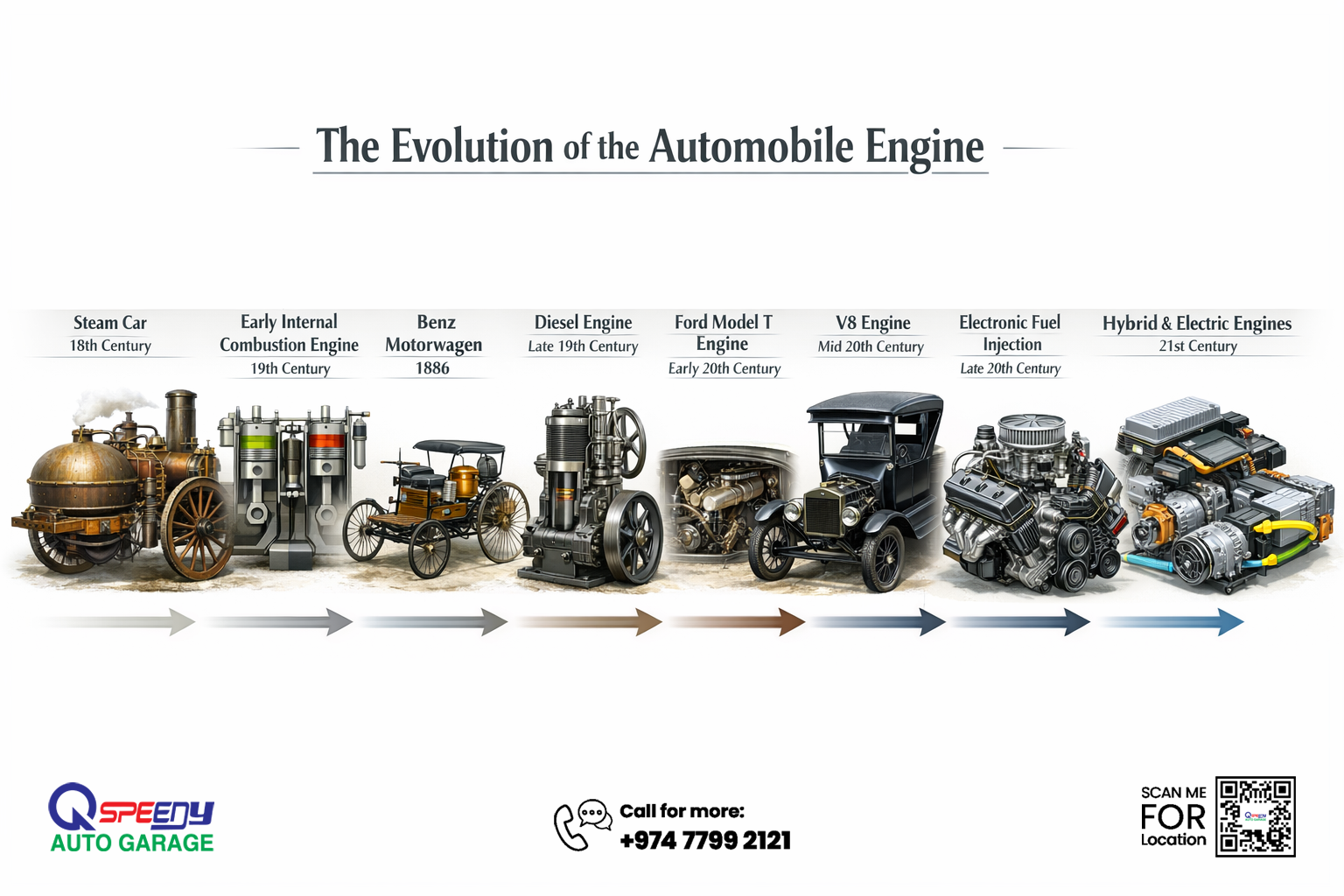
The history of the automobile engine is a story of innovation, experimentation, and constant improvement. From early steam-powered machines to today’s high-efficiency hybrid and electric systems, engine development has shaped the modern world.
Read more
The early 20th century marked a defining era in the historical evolution of the automobile — the rise of the global automotive industry. What began as small-scale mechanical experimentation soon transformed into one of the world’s most powerful manufacturing sectors. As demand for motor vehicles increased, nations recognized the automobile not only as a transportation tool but also as an economic driver.
Read more
The history of the automobile reached a turning point with the revolutionary vision of Henry Ford, an American industrialist who transformed cars from luxury inventions into everyday necessities. Before Ford’s innovation, automobiles were handcrafted, expensive, and accessible only to the wealthy. Production was slow, and each vehicle required extensive manual labor by skilled workers.
Read more
The period between 1900 and 1930 changed the automobile industry forever. During this time, mass production made cars affordable and accessible to ordinary people, not just the wealthy.
Read more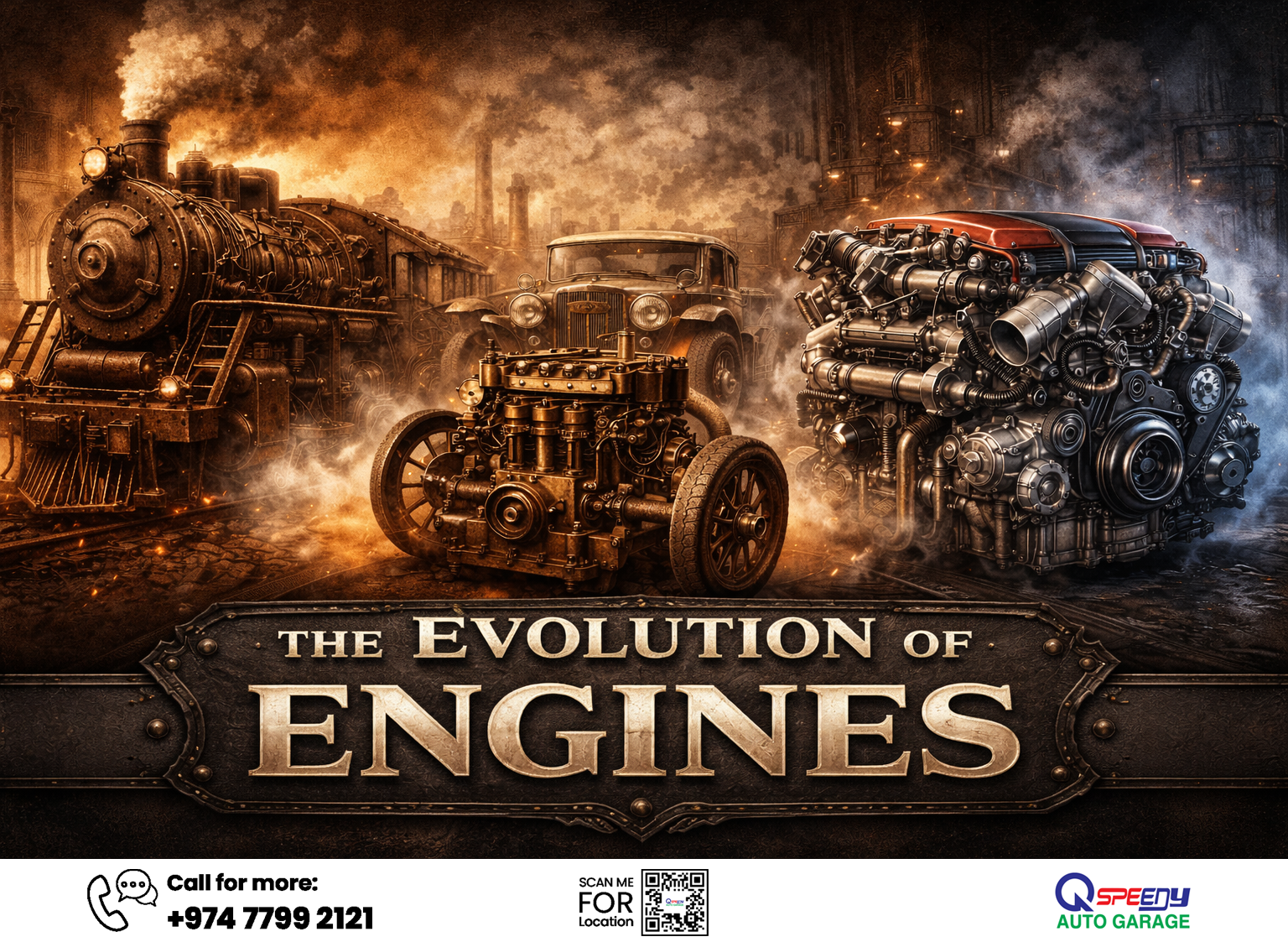
From ancient tools to modern machines, the engine has been one of the most transformative inventions in human history. It represents humanity’s constant pursuit of efficiency, power, and progress.
Read more