
Blog
The Historical Evolution of the Automobile Engine
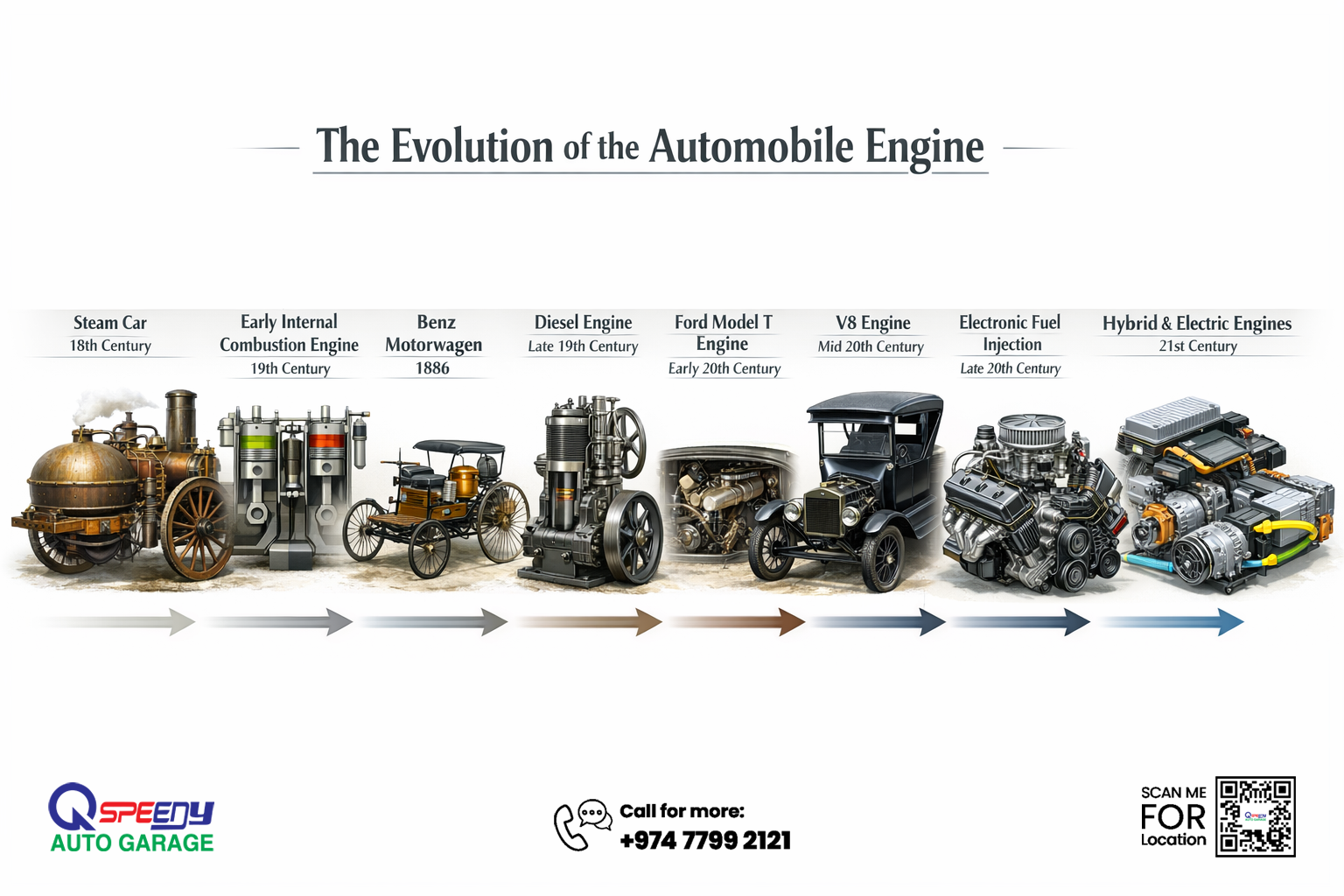
The Historical Evolution of the Automobile Engine
The history of the automobile engine is a story of innovation, experimentation, and constant improvement. From early steam-powered machines to today’s high-efficiency hybrid and electric systems, engine development has shaped the modern world.
1. The Steam Era (17th–19th Century)
The earliest self-propelled vehicles were powered by steam engines. In 1769, Nicolas-Joseph Cugnot built a steam-powered vehicle designed to transport artillery for the French army. Although heavy and slow, it was one of the first examples of a vehicle moving without animal power.
Steam engines worked by heating water to create steam, which expanded and pushed a piston. These engines were large and inefficient for everyday road use. While steam technology improved over time, it was not practical for lightweight passenger vehicles.
2. The Birth of the Internal Combustion Engine (19th Century)
The real breakthrough came with the internal combustion engine (ICE). Instead of burning fuel outside the engine like steam systems, the ICE burns fuel inside a cylinder.
In 1876, Nikolaus Otto developed the four-stroke engine cycle, also known as the Otto cycle. This system used four stages:
Intake
Compression
Power
Exhaust
This design became the foundation of modern gasoline engines.
Shortly after, in 1885–1886, Karl Benz built the first practical automobile powered by a gasoline engine. His invention marked the beginning of the modern automotive industry.
3. Diesel Engine Development (Late 19th Century)
In the 1890s, Rudolf Diesel developed a new type of internal combustion engine. The diesel engine used high compression to ignite fuel without a spark plug.
Diesel engines offered:
Higher fuel efficiency
Greater torque
Better durability for heavy-duty applications
They became widely used in trucks, buses, ships, and industrial machinery.
4. The Rise of Mass Production (Early 20th Century)
In 1908, Henry Ford introduced the Ford Model T. Mass production made cars affordable for ordinary people.
During this period:
Inline engines became common
Carburetors improved fuel mixing
Electric starters replaced hand cranks
Engines became smaller, more reliable, and easier to maintain.
5. Performance and Technology Growth (Mid–Late 20th Century)
After World War II, automotive engineering advanced rapidly.
Key developments included:
V6 and V8 engine configurations
Fuel injection systems replacing carburetors
Turbocharging and supercharging
Electronic engine control units (ECUs)
Engines became more powerful, efficient, and environmentally controlled. Emission regulations also pushed manufacturers to reduce pollution.
6. The Modern Era: Hybrid and Electric Engines (21st Century)
Today, the automotive world is shifting toward cleaner technologies.
Modern developments include:
Hybrid engines combining gasoline and electric motors
Fully electric vehicles (EVs)
Advanced battery technology
Smart engine management systems
Electric motors do not use internal combustion. Instead, they use battery-stored energy to create motion. This reduces emissions and increases efficiency.
#AutomobileHistory #EngineEvolution #InternalCombustion #DieselEngine #V8Engine #HybridTechnology
Recent Posts
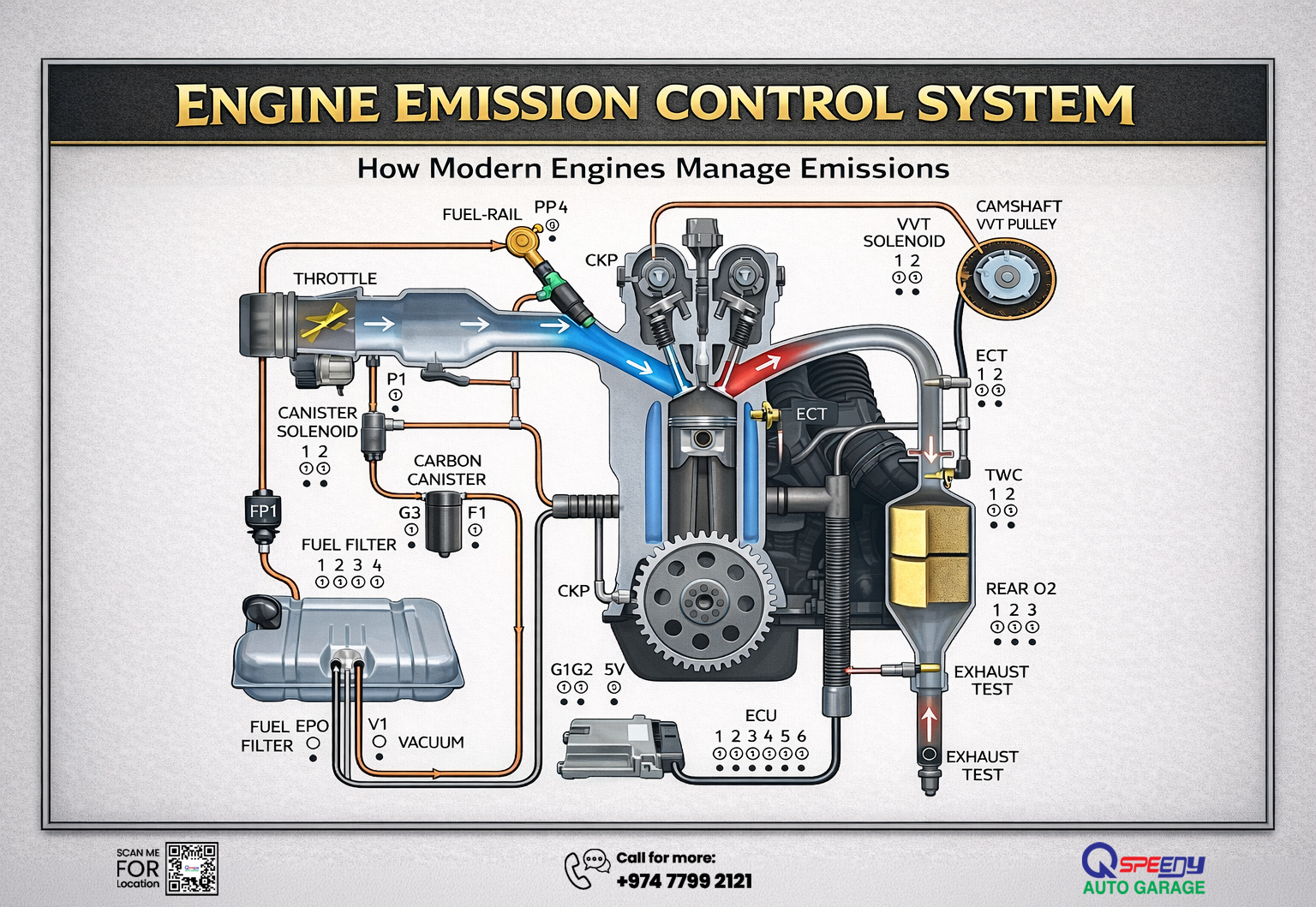
This diagram explains how a car engine controls and reduces harmful emissions. It shows the flow of air, fuel, and exhaust gases, along with key components like sensors, catalytic converter, and ECU working together to improve engine performance and protect the environment.
Read more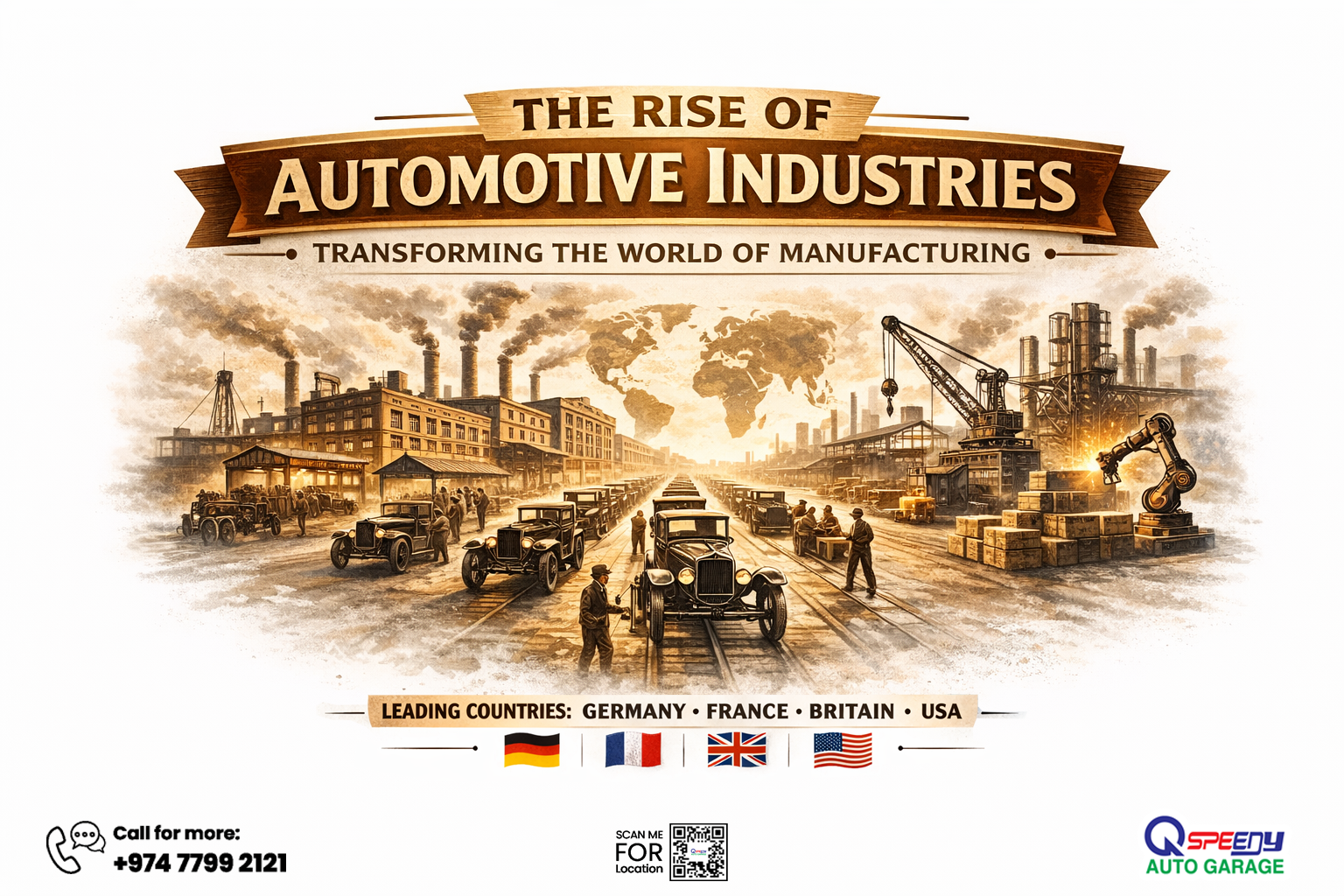
The early 20th century marked a defining era in the historical evolution of the automobile — the rise of the global automotive industry. What began as small-scale mechanical experimentation soon transformed into one of the world’s most powerful manufacturing sectors. As demand for motor vehicles increased, nations recognized the automobile not only as a transportation tool but also as an economic driver.
Read more
The history of the automobile reached a turning point with the revolutionary vision of Henry Ford, an American industrialist who transformed cars from luxury inventions into everyday necessities. Before Ford’s innovation, automobiles were handcrafted, expensive, and accessible only to the wealthy. Production was slow, and each vehicle required extensive manual labor by skilled workers.
Read more
The period between 1900 and 1930 changed the automobile industry forever. During this time, mass production made cars affordable and accessible to ordinary people, not just the wealthy.
Read more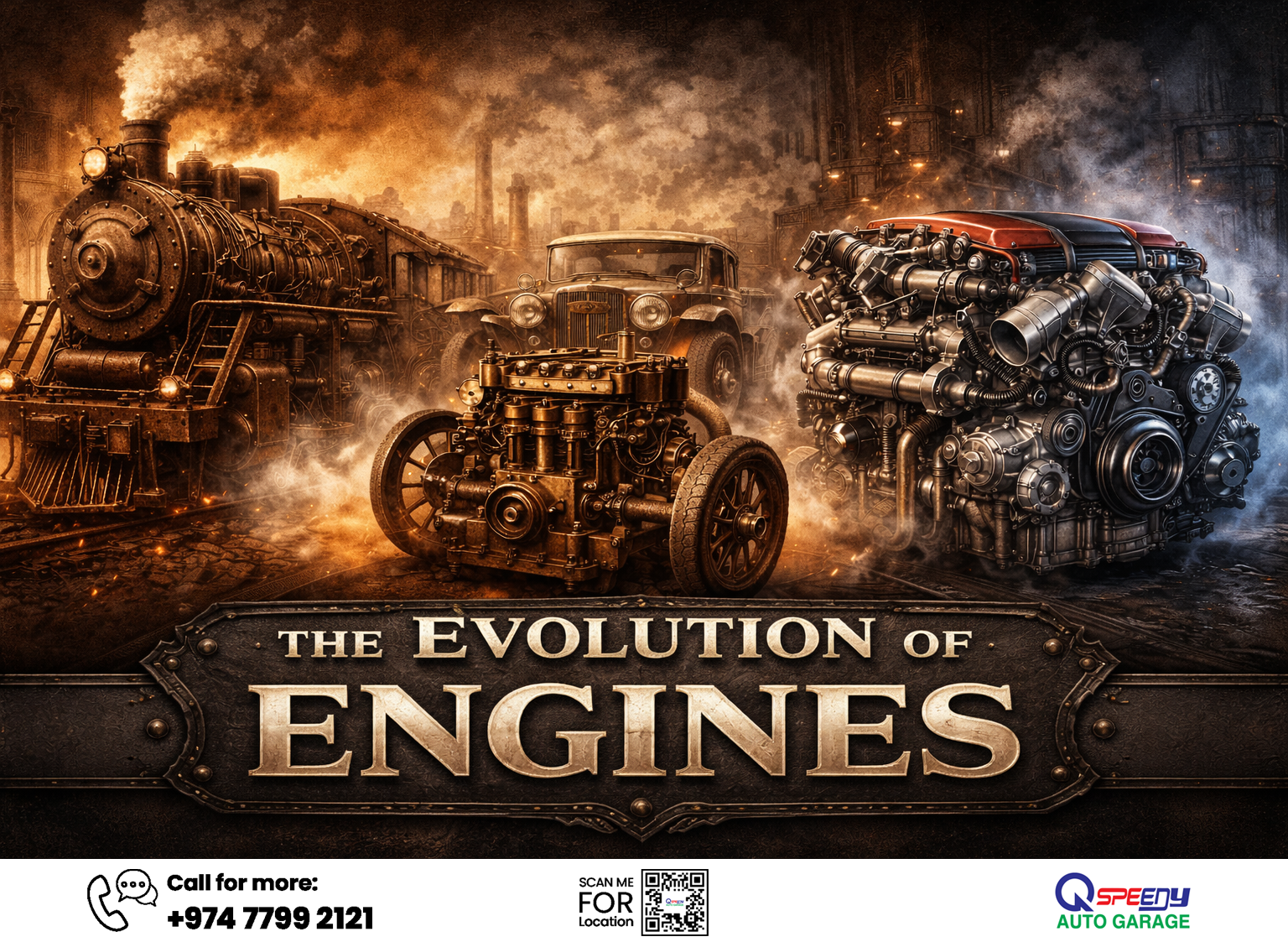
From ancient tools to modern machines, the engine has been one of the most transformative inventions in human history. It represents humanity’s constant pursuit of efficiency, power, and progress.
Read more